
The One-Sentence Rule
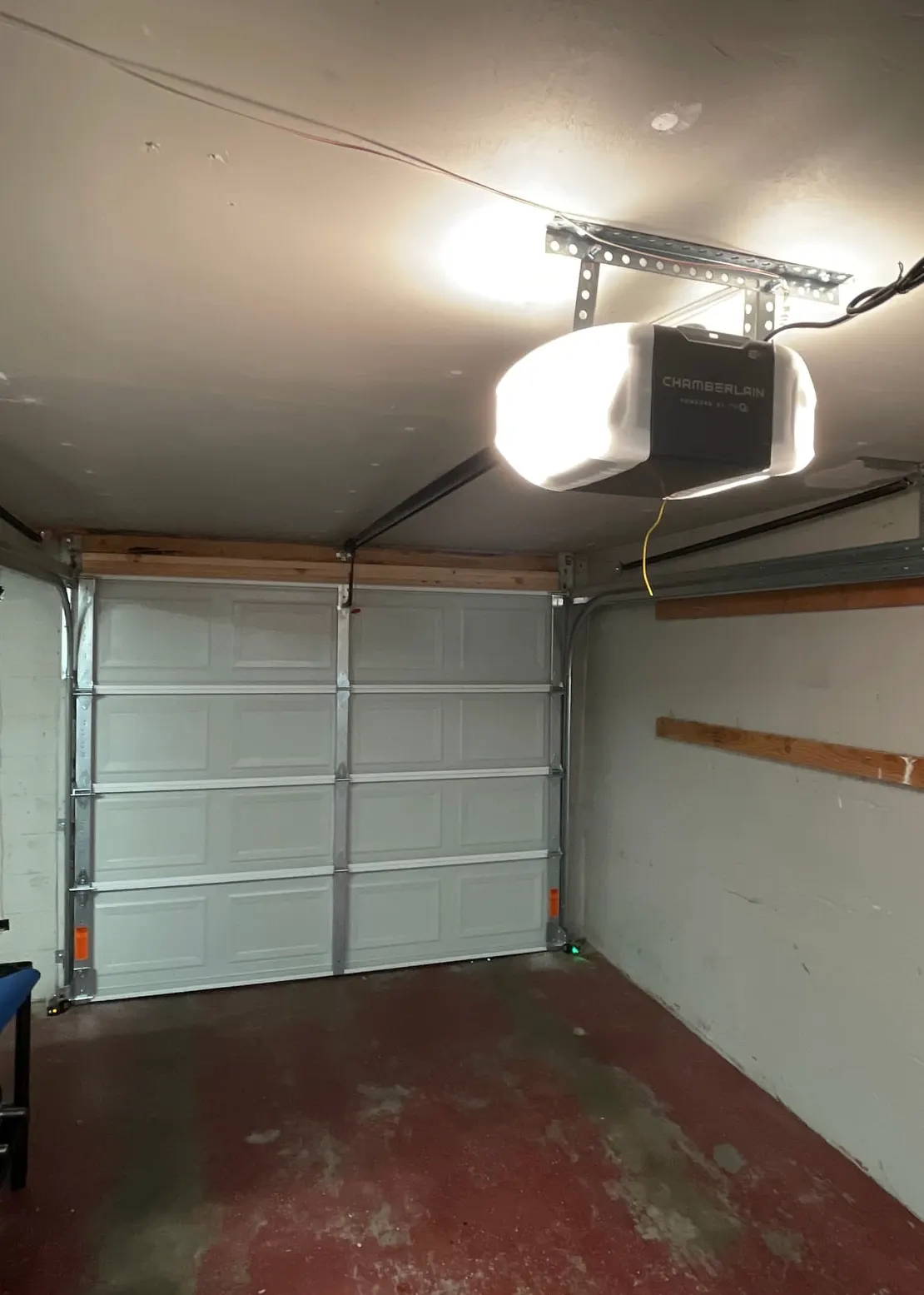
If your garage door opener was made after mid-2019, it almost certainly already has a battery backup built in, and if you're buying a new opener today, it legally has to have one — so the argument about whether you \"need\" it is usually already settled by the manufacturer.
That's the short version. Here's where it gets more interesting, because \"required\" and \"useful\" aren't the same question, and depending on which one you and your spouse were actually arguing about, you might both be right.
What Battery Backup Actually Does
A battery backup system is a sealed battery pack built into or attached to the opener unit itself. When the power goes out, the opener automatically switches over to battery power so you can still open and close the door with your remote, wall button, or smart app. Most units give you somewhere between 10 and 50 cycles on battery power before it needs recharging, depending on the brand and how old the battery is.
Without battery backup, a power outage doesn't trap your car in the garage — you can always pull the manual release cord and lift the door by hand — but it does mean no remote operation, no keypad entry, and no smart-app control until the power comes back or you do it the old-fashioned way.
When It's Actually Required
- New installations and replacements: Current California energy code requires residential garage door openers sold and installed in the state to include battery backup. This applies to new homes and to anyone replacing an opener, not just new construction.
- Attached garages used as an exit route: The rule exists mainly so a garage door connected to the house can still be opened during a power outage if it's one of your exit paths. If your garage is attached and the door is part of how people get out of the house, this is the scenario the requirement is built around.
When It's Not Required — But Still Worth It
If you have an older opener that predates the requirement and it's still working fine, nobody is going to make you rip it out. You're not out of compliance just by owning an older unit. The decision at that point is purely practical: do you want the convenience, or are you fine using the manual release during outages?
This is where local weather actually matters. Marin County gets real winter storms with wind and rain that knock out power, sometimes for hours, and wildfire-season Public Safety Power Shutoffs can cut power for longer stretches with little warning. If you're the one who leaves for work before sunrise or comes home after dark, not being able to open the garage door with your remote during one of these events is more than a minor annoyance — it's the difference between parking in the driveway in the rain or not.
The Trade-Offs Worth Knowing
- Battery life: Backup batteries typically last 2-3 years before they stop holding a charge reliably. An opener with a dead backup battery behaves exactly like one without backup at all, so it's not a \"set it and forget it\" feature.
- Cost: If you're installing a new opener anyway, battery backup is usually built in and doesn't add much to the price. Retrofitting backup onto an older opener is possible with some models but often costs more than it's worth compared to just replacing the unit.
- Not a substitute for the manual release: Even with backup, every homeowner should know where the manual release cord is and how to use it, since batteries do eventually fail or run out of cycles mid-outage.
So Who Wins the Argument?
If the question was \"are we required to have this,\" the answer depends on whether you're installing something new — if so, yes, it comes standard. If the question was \"should we care about this on our current opener,\" the answer is: check how old your battery is, and think about how many times you've stood in the driveway in the rain trying to get the door open during an outage. For most households here, that's happened at least once.
When to Call San Rafael Garage Door
If you're not sure whether your opener has a working battery backup, or you suspect the battery is original and past its prime, that's a quick thing for us to check during a garage door maintenance visit — we'll test it under simulated power loss so you're not finding out it's dead during the next storm. If you're ready to replace an aging opener altogether, our garage door opener repair and installation service includes current battery-backup-equipped models suited to attached garages here in Marin County, matched to your door's size and weight.
Call San Rafael Garage Door today to get your opener checked before the winter rains and outage season really settle in — we serve San Rafael, San Anselmo, Fairfax, Novato, Mill Valley, Corte Madera, Larkspur, and Terra Linda.